Tropical Wind: A Versatile Handwritten Font for Creative Projects
Typography plays a crucial role in design, influencing how audiences perceive and connect with visual content. Among the many fonts available, Tropical Wind stands out as a unique option with its handwritten aesthetic. This font style is crafted to evoke warmth, personality, and a natural feel, making it suitable for a wide range of creative applications. Whether you're working on branding projects, logos, wedding designs, or social media posts, understanding when and how to use Tropical Wind can help you make informed choices that align with your design goals.
What Is Tropical Wind?
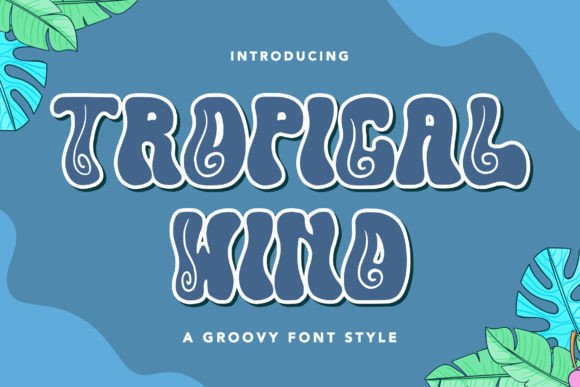
Tropical Wind is a handwritten font characterized by fluid strokes, soft curves, and an organic appearance. Unlike rigid, geometric typefaces, this font mimics the spontaneity and individuality of human handwriting. It’s designed to reflect a relaxed and artistic vibe, often associated with tropical themes due to its smooth, flowing nature. The characters are easy to read while maintaining a decorative flair, which makes them ideal for both expressive and functional uses.
Why People Choose Tropical Wind
Designers and creatives select Tropical Wind for several reasons. Its distinctive style adds a personal touch to projects, helping brands stand out in competitive markets. For events like weddings or promotional campaigns, the font conveys a sense of warmth and authenticity that printed text cannot always achieve. Additionally, its adaptability across different mediums — from digital platforms to print materials — offers flexibility without compromising visual appeal.
Key Reasons for Choosing Tropical Wind:
- Branding Projects: Ideal for businesses looking to build a friendly, approachable identity.
- Wedding Designs: Adds a romantic and handcrafted feel to invitations and event signage.
- Media Posts: Enhances visual storytelling on social media with a natural and engaging look.
- Product Packaging: Appeals to consumers seeking artisanal or eco-friendly products.
Benefits of Using Tropical Wind
One of the primary benefits of Tropical Wind is its ability to create emotional connections. Handwritten fonts tend to be perceived as more personal than their typed counterparts, making them effective for building trust and familiarity. In addition, the font's versatility allows it to complement various design elements, such as photographs, illustrations, or minimalist layouts.
Another advantage is its compatibility with modern design software. Whether you're using Adobe Photoshop, Illustrator, or online tools like Canva, Tropical Wind integrates smoothly, allowing for easy customization. Its legibility also ensures that it remains functional even in smaller sizes, which is essential for labels, watermarks, and stationery where clarity is key.
Potential Tradeoffs and Considerations
While Tropical Wind has many strengths, it may not be the best fit for every project. Handwritten fonts can sometimes lack the crispness and professionalism required for formal documents or legal texts. If your design needs to maintain a high level of readability at small sizes or in dense paragraphs, consider whether the font’s informal style might hinder comprehension.
Also, because it's a handwritten typeface, Tropical Wind may not be accessible in all languages or character sets. Designers working with multilingual content should verify that the font supports the necessary glyphs before finalizing their project. Furthermore, licensing terms vary between font providers, so it’s important to ensure that you have the appropriate rights for commercial use if needed.
When Tropical Wind Is a Strong Fit
Tropical Wind shines in scenarios where creativity and approachability are prioritized. Here are some situations where it could be an excellent choice:
- Event-Based Design: Perfect for wedding invitations, anniversary cards, or festival posters where a warm, personal tone is desired.
- Branding for Lifestyle Businesses: Especially useful for cafes, wellness studios, or boutique shops aiming for a laid-back, artistic brand image.
- Social Media Content: Adds a fresh, eye-catching element to Instagram posts, Facebook banners, or YouTube thumbnails.
- Product Packaging and Labels: Gives items like skincare products, artisan foods, or handmade crafts a unique, hand-crafted look.
In these cases, the font enhances the overall aesthetic while supporting the message and intent behind the design. It works especially well when paired with natural textures, botanical illustrations, or muted color palettes that reinforce its casual, tropical-inspired charm.
When to Consider Alternatives
Despite its appeal, there are times when Tropical Wind may not be the optimal choice. If your design requires strict alignment with corporate or technical standards, a sans-serif or serif font might be more appropriate. These structured fonts offer greater consistency and clarity in environments like financial reports, user interfaces, or academic papers.
Similarly, in contexts where speed and efficiency are critical — such as headlines for news websites or signage in public spaces — a more conventional font may be better suited to ensure quick readability. While Tropical Wind is visually appealing, its ornate style could slow down reading speeds in certain applications.
For multi-language projects or those requiring extensive typographic features (like ligatures, numerals, or special symbols), it’s wise to compare it against other handwritten fonts that offer broader support. Always test how the font performs across devices and platforms to avoid unexpected rendering issues.
Practical Tips for Using Tropical Wind Effectively
To get the most out of Tropical Wind, start by evaluating the purpose of your design. Ask yourself whether the font will enhance or detract from the intended message. Here are some practical insights to guide your decision-making:
- Use Sparingly: Limit Tropical Wind to accents, titles, or short phrases rather than large blocks of text. This preserves readability while still highlighting its stylistic strengths.
- Pair Thoughtfully: Combine it with a clean, modern font for body text to balance the design. For example, pairing it with Helvetica or Lato can provide contrast and structure.
- Test Across Platforms: Ensure the font displays consistently on different screens and in various formats, including web, mobile, and print.
- Consider Color Contrast: Use contrasting colors or background textures to make the font stand out and remain legible.
- Check Licensing: Confirm whether the font is free or requires purchase, and what permissions come with it, especially for commercial use.
Evaluating Your Typographic Needs
Choosing the right font involves more than just picking a style you like. It requires understanding the context, audience, and medium of your project. Tropical Wind is a great choice when you want to inject personality and a natural feel into your work. However, it's equally important to assess whether these qualities align with your specific goals.
Ask yourself questions like: Does my audience expect a formal or informal tone? Will this font improve or confuse the message I'm trying to convey? How does it perform in real-world settings, such as on a phone screen or in a printed brochure? By answering these questions, you can determine whether Tropical Wind is the best fit for your needs or if another font would serve you better.
Final Thoughts
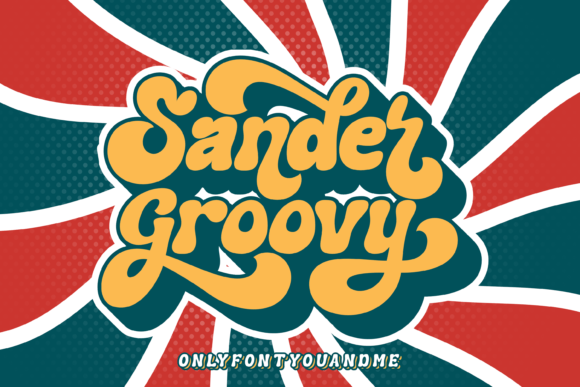
Tropical Wind – A Groovy Font Style is a compelling option for designers seeking to add a touch of artistry and warmth to their projects. Its handwritten characteristics make it particularly well-suited for branding, event design, and product visuals. However, like any font, it comes with tradeoffs that must be weighed carefully depending on the project's requirements.
By considering factors like readability, licensing, and design context, you can make an informed decision about whether Tropical Wind is the right choice for your next creative endeavor. When used appropriately, it can elevate your work and help communicate your message in a way that feels authentic and engaging.