Barlast: A Unique Display Font for Creative Projects
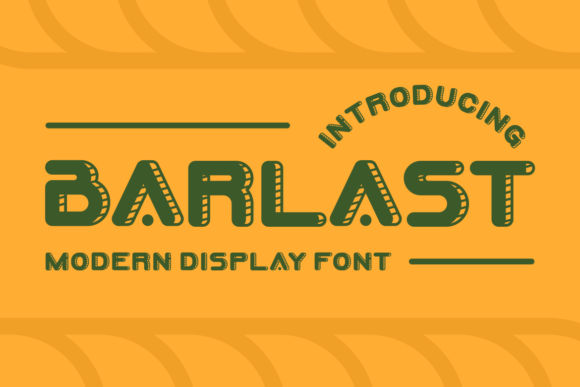
Barlast is a distinctive display font that stands out due to its bold, artistic character design. Unlike standard typefaces used for body text or general readability, Barlast is crafted with visual impact in mind. Its stylized forms and attention to detail make it ideal for projects where typography needs to command attention and evoke emotion. Whether you're designing posters, branding materials, website headers, or digital illustrations, Barlast can add a unique flair that sets your work apart.
Why Consider Barlast?
Designers often seek fonts that not only serve their functional purpose but also contribute to the overall aesthetic of a project. Barlast appeals to those who want to elevate their visual communication through typography. It’s particularly useful when the goal is to create something memorable, dramatic, or highly stylized. The font’s unusual structure and expressive letterforms make it a compelling choice for creative professionals looking to break away from conventional typefaces.
Key Benefits of Using Barlast
- Visual Distinction: Barlast offers a strong identity with its unconventional shapes, making it perfect for headlines, logos, and other prominent text elements.
- Creative Flexibility: The font supports a wide range of applications, including both print and digital media, allowing for diverse use cases.
- High Impact: Its bold appearance ensures that text using Barlast will stand out, which is crucial for grabbing attention in marketing or advertising contexts.
- Designer-Centric Features: Barlast includes stylistic alternates and special characters that enable customization and personalization in design workflows.
Potential Tradeoffs and Limitations
While Barlast excels in certain areas, it may not be suitable for every project. Here are some key considerations:
- Readability Concerns: As a display font, Barlast sacrifices legibility for style. It works best in large sizes and should generally avoid being used for long paragraphs or body text.
- Limited Language Support: Depending on the version or license, Barlast may not support all languages or special characters, which could affect international or multilingual projects.
- Context Sensitivity: Because of its uniqueness, Barlast may clash with more traditional or minimalist design styles. It requires thoughtful pairing to ensure it complements rather than overwhelms other design elements.
When Barlast Is a Strong Fit
Barlast shines in scenarios where visual creativity is the priority. It’s especially well-suited for:
- Branding and Logos: For businesses or individuals aiming to establish a bold, artistic brand identity, Barlast can serve as an eye-catching foundation.
- Posters and Banners: When designing promotional materials that need to catch the viewer's eye quickly, Barlast delivers the necessary visual punch.
- Titles and Headlines: In editorial design, presentations, or websites, using Barlast for titles can enhance hierarchy and draw focus effectively.
- Artistic Typography Projects: If you're working on typographic art, greeting cards, or custom illustrations, Barlast can provide a rich source of inspiration.
When to Consider Alternatives
Despite its strengths, there are situations where Barlast might not be the best option. For example:
- Body Text Needs: If your project involves reading-intensive content such as articles, books, or reports, a more readable serif or sans-serif font would be a better choice.
- Formal or Corporate Designs: In professional environments like business proposals, legal documents, or financial reports, a more neutral and widely accepted font is typically preferred.
- Small Text Sizes: Due to its intricate details and stylized nature, Barlast may become difficult to read at smaller point sizes, limiting its usability in menus, infographics, or labels.
- Budget Constraints: High-quality display fonts like Barlast often come with higher licensing fees compared to simpler or more commonly used alternatives.
Practical Insights for Decision-Making
Choosing the right font is a critical step in any design process. Here are some practical tips to help determine whether Barlast is the right fit for your needs:
- Test in Context: Before committing to Barlast, apply it to a mockup of your actual project. Observe how it interacts with images, colors, and layout structures.
- Evaluate Readability: Ensure that the font doesn’t compromise the message. Even if it looks great, if the text is hard to read, it fails its primary function.
- Consider Target Audience: Ask yourself who will see the final product. If they expect clarity and professionalism, Barlast may not align with those expectations.
- Assess Licensing Terms: Review the font’s usage rights carefully. Some versions of Barlast may require specific licenses for commercial, web, or broadcast use.
- Compare with Similar Fonts: Look at other display fonts to understand where Barlast fits within the broader design landscape. This comparison helps in making a more informed decision.
Integration into Design Workflows
Barlast integrates well into most modern design tools such as Adobe Photoshop, Illustrator, InDesign, Figma, and Canva. However, because of its complexity, it may require more time to adjust spacing, kerning, and alignment for optimal results. Working with this font demands a bit more finesse, especially when dealing with multi-letter words or tight layouts.
Expectations and Best Practices
Designers who choose Barlast should manage expectations around its use. While it brings a high level of visual interest, it also comes with the responsibility of ensuring that it enhances rather than detracts from the overall design. To maximize its effectiveness:
- Use it sparingly—only where it adds value and draws attention.
- Pair it with complementary fonts that balance its intensity.
- Ensure proper contrast between the font and background colors or textures.
- Test across different devices and platforms to confirm consistent rendering.
Conclusion
Barlast is a powerful tool for designers who prioritize creativity and visual impact. Its unique qualities make it an excellent addition to display typography in the right context. However, it’s important to weigh these benefits against potential limitations like readability and licensing requirements. By evaluating your project goals, audience expectations, and technical constraints, you can decide whether Barlast is the ideal font to bring your vision to life or if another option may better suit your needs.