Remy Leaves: A Japanese-Inspired Display Font for Cultural and Creative Projects
Fonts can do more than just present text—they can tell a story, set a tone, and evoke a feeling. When it comes to capturing the essence of Japanese culture in your design work, Remy Leaves is an excellent choice. This display font blends traditional aesthetics with modern readability, making it ideal for businesses and creatives who want to incorporate authentic Japanese-inspired visuals into their projects without sacrificing quality or clarity.
What Is Remy Leaves?
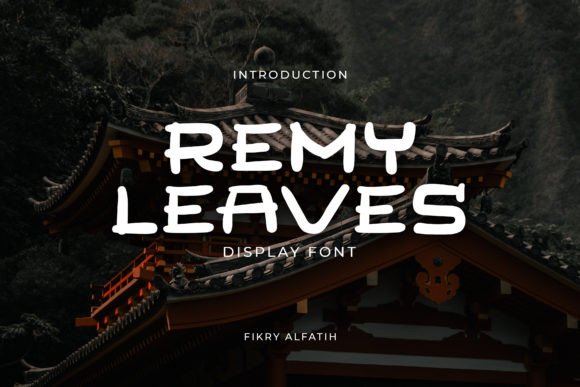
Remy Leaves is a stylized typeface that draws inspiration from Japanese calligraphy and character design. It features flowing strokes, elegant curves, and subtle variations in weight that give it a hand-drawn yet polished feel. Unlike many fonts that try to mimic handwriting, Remy Leaves maintains a high level of professionalism while still feeling personal and artistic.
This font is not meant for body text due to its decorative nature but shines in headlines, logos, packaging, invitations, and other visual elements where impact and style are key. Its unique charm makes it especially appealing to those who want to create a strong cultural connection through typography.
Real-World Use Cases for Remy Leaves
Whether you're running a business or working on a creative project, choosing the right font can make all the difference. Here’s how different industries and audiences might find value in using Remy Leaves.
Japanese Restaurants and Culinary Businesses
If you own or manage a Japanese restaurant, this font can help reinforce your brand identity. Use it for signage, menu headers, or promotional materials like flyers and social media posts. The warm and inviting feel of Remy Leaves can enhance the overall dining experience by visually aligning with the aesthetic of Japanese cuisine—fresh, simple, and elegant.
For example, a sushi bar could use Remy Leaves in its logo design to instantly communicate authenticity and tradition. The same font might appear in event banners for a seasonal ramen tasting or on branded takeout containers to leave a lasting impression.
Fashion and Apparel Brands Inspired by Japan
Japanese fashion often blends minimalism with bold statement pieces, and the typography used in branding should reflect that balance. Remy Leaves can be used in clothing tags, labels, or even as part of a garment design to add a touch of cultural flair.
A boutique specializing in Japanese-style streetwear might use this font in store displays or on product packaging to create a cohesive look. Similarly, a designer launching a collection inspired by kimono patterns could pair Remy Leaves with traditional motifs to emphasize the theme without being overwhelming.
Film Titles and Entertainment Industry
In the world of film and entertainment, typography plays a critical role in setting the mood. If you’re creating content related to Japanese films, animations, or themed events, Remy Leaves can serve as an eye-catching title font that adds depth and character.
Consider using it for movie posters, festival programs, or animated titles for documentaries about Japanese cinema. Its soft edges and natural flow can complement both historical and contemporary themes, helping your visuals stand out in a competitive market.
Marketing and Branding for Japanese Products
From sake brands to tea shops, many products rooted in Japanese traditions rely heavily on visual storytelling. Remy Leaves offers a way to connect with your audience by using typography that feels native to the culture you represent.
A tea company importing matcha from Kyoto could use this font in its packaging and website design to highlight the craftsmanship behind each product. For a sake brewery, Remy Leaves could be used to label bottles or in advertisements to evoke a sense of heritage and sophistication.
Weddings and Events with a Japanese Theme
When planning a wedding or event with a Japanese theme, every detail matters—from décor to invitations. Typography is one of those subtle yet powerful choices that can elevate the atmosphere. Remy Leaves brings a refined elegance that fits perfectly in such settings.
You might use it in save-the-date cards, ceremony signage, or even on custom chopsticks for guests. Its delicate yet expressive style allows for both formal and whimsical applications depending on the context and color palette you choose.
Who Can Benefit Most from Using Remy Leaves?
- Cultural Entrepreneurs: Anyone building a brand around Japanese culture will find this font invaluable. It helps establish credibility and emotional resonance with the right audience.
- Graphic Designers: Creatives looking for a distinctive typeface to add to their portfolio will appreciate the versatility of Remy Leaves. It works well in digital and print formats alike.
- Event Planners: Those organizing weddings, festivals, or pop-up experiences with a Japanese twist can use this font to maintain thematic consistency across all printed and digital materials.
- Educational Institutions: Schools, museums, or cultural centers offering Japanese language courses or exhibitions may use Remy Leaves to make educational materials more engaging and culturally relevant.
- Content Creators: Bloggers, YouTubers, or Instagrammers focused on Japanese lifestyle, travel, or art can use this font in their headings and thumbnails to attract attention and build a recognizable style.
Practical Considerations Before Using Remy Leaves
Before integrating Remy Leaves into your designs, there are a few important factors to keep in mind:
- Legibility: While the font is beautifully crafted, its decorative nature means it’s best suited for short texts. Avoid using it for long paragraphs or dense information.
- Contrast: Pair Remy Leaves with solid background colors or ample spacing to ensure it remains readable. Soft gradients or light hues may reduce its visual impact.
- Font Licensing: Always verify the licensing terms if you plan to use this font commercially. Some display fonts have restrictions on usage in certain contexts.
- Accessibility: Because of its stylistic qualities, consider using alternative fonts for accessibility-focused projects or when legibility is a top priority.
Strengths and Limitations of Remy Leaves
Remy Leaves excels in several areas that make it a go-to option for specific uses:
- It offers a visually rich experience that stands out in a sea of standard sans-serif or serif fonts.
- The font’s unique character shapes lend themselves well to branding that wants to express individuality and cultural depth.
- Its versatility in color allows it to blend seamlessly with minimalist layouts or vibrant, artistic compositions.
However, it also has some limitations:
- Due to its decorative nature, it may not work well in all design scenarios, especially where readability is crucial.
- Some characters may require careful alignment when used together, as the spacing can vary slightly compared to more structured fonts.
- It might not be the best fit for multilingual content unless the font includes extended language support.
How to Incorporate Remy Leaves Effectively
Here are a few tips for using Remy Leaves in a way that enhances your design rather than complicating it:
- Use it sparingly: Apply the font only where it adds value—such as headlines or logos. Too much of it can overwhelm the viewer and dilute its effect.
- Pair it with complementary fonts: Combine Remy Leaves with a clean sans-serif or a minimalist serif font to balance the design and improve readability.
- Experiment with layout: Try centering the text, adding shadows, or using it in combination with traditional Japanese symbols or illustrations to create a layered, authentic look.
- Test it on multiple devices: Make sure the font renders clearly on screens of all sizes, especially if you’re using it for digital marketing or websites.
Where to Find Remy Leaves
To access Remy Leaves, you’ll typically need to visit a font marketplace or a specialized typography site. Look for it under categories like “display fonts,” “cultural fonts,” or “Japanese-inspired fonts.” Always check the license agreement before downloading, especially if you intend to use it in commercial projects.
Once you’ve acquired it, you can install the font on your computer or embed it in your web projects using tools like Google Fonts, Adobe Fonts, or direct embedding via CSS if you purchased it from a third-party vendor.
Design Inspiration with Remy Leaves
Let’s explore a few examples of how others have successfully used Remy Leaves:
- A Japanese café used Remy Leaves in its logo and on chalkboard-style menus to create a cozy, artisanal vibe.
- A travel blog about Japan featured the font in its header to instantly convey a sense of place and culture.
- An independent anime-themed clothing line incorporated Remy Leaves into its product tags and packaging to appeal to fans of Japanese pop culture.
- A ceremony invitation for a Shinto wedding used Remy Leaves in kanji-style lettering to honor tradition while keeping the design modern and fresh.
These real-world examples show how versatile and impactful Remy Leaves can be when used thoughtfully and purposefully.
Final Thoughts on Choosing the Right Font
Selecting a font is more than just picking something that looks good—it's about choosing a tool that supports your message and resonates with your audience. Remy Leaves isn’t just another pretty font; it’s a bridge between cultures and a way to visually express authenticity in design.
By understanding the strengths and appropriate applications of this font, you can ensure it adds value to your project instead of becoming a distraction. Whether you’re designing for a niche audience or aiming to bring a slice of Japan into your next creative venture, Remy Leaves is a compelling option worth exploring.