Mage Font: A Stylish Display Type for Creative Projects
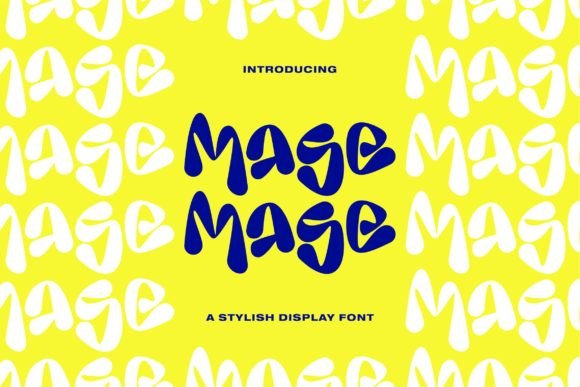
Fonts play a crucial role in shaping the visual tone of any design, and Mage is no exception. As a stylish and cool display font, Mage stands out with its neatly crafted and highly detailed character set. Whether you're designing a logo, crafting a social media post, or working on editorial layouts, this typeface can bring a unique flair to your work. With its PUA encoding, accessing all glyphs and swashes becomes effortless, making it a versatile option for both beginners and seasoned professionals.
What Makes Mage a Unique Display Font?
Mage is not just another decorative font—it’s a carefully designed typeface that balances elegance with readability. Its stylized letterforms are rich in detail, often featuring subtle flourishes and sharp angles that lend it a modern yet classic appeal. This font excels in environments where aesthetics take precedence over body text functionality, such as headlines, titles, branding elements, and promotional materials. The PUA (Palette Unicode Access) encoding ensures that users can easily access special characters, ligatures, and alternate glyphs without needing advanced software knowledge.
Why Mage Appeals to Different Audiences
The same font can serve vastly different purposes depending on who's using it. For instance, a small business owner might see Mage as a powerful branding tool, while a blogger could use it to make headlines pop. Educators might appreciate its clarity for presentations, whereas marketers may value its ability to catch attention in advertisements. Let’s explore how various user groups can benefit from Mage:
Beginners and Hobbyists: A Gateway to Professional-Looking Designs
For those new to typography or graphic design, Mage offers an accessible way to elevate their projects. Its clear structure and visual interest make it easy to learn and apply, even if you’re using basic tools like Canva or Google Slides. Beginners often look for fonts that feel impactful but aren’t overly complex. Mage fits the bill by allowing them to experiment with style while still producing clean, readable text when used appropriately.
- Use Case: Crafting personal blogs, greeting cards, or DIY invitations.
- Priority: Ease of use and immediate visual impact.
- Example: A hobbyist creating a custom T-shirt design can use Mage for the main slogan to add personality and flair.
Experienced Designers and Creators: Flexibility Meets Creativity
Professionals and creative designers often require more than just a pretty font—they need one that supports their workflow and artistic vision. Mage, being PUA encoded, allows for seamless integration into design software like Adobe Illustrator and Photoshop. This makes it ideal for those who frequently incorporate custom glyphs, icons, and stylistic variations into their work.
- Use Case: Logo design, poster creation, or packaging mockups.
- Priority: Flexibility, quality, and commercial viability.
- Example: A freelance designer developing a brand identity for a fantasy-themed startup might use Mage to create a mystical logo that aligns with the theme.
Entrepreneurs and Small Business Owners: Building Brand Identity
Brand identity is everything in the world of startups and small businesses. Fonts contribute significantly to how a brand is perceived, and Mage can be a strategic choice for entrepreneurs aiming to stand out. Its bold presence works well in logos, taglines, and product names, helping establish a memorable visual signature.
- Choose Mage for key brand assets to convey uniqueness and sophistication.
- Pair it with simpler sans-serif fonts for contrast in marketing materials.
- Test it across different platforms—social media, websites, print—to ensure consistency.
By using Mage selectively, entrepreneurs can maintain a cohesive and professional look while still infusing creativity into their messaging.
Marketers and Bloggers: Capturing Attention Without Overdoing It
In content marketing, first impressions matter. Mage can help bloggers and marketers create eye-catching headlines that draw readers in. However, it’s important to remember that display fonts like Mage should be reserved for short text due to their ornate nature. Using them excessively can hinder readability and dilute the message.
- Use Case: Social media posts, blog headers, email newsletters.
- Priority: Presentation, speed, and audience engagement.
- Example: A lifestyle blogger using Mage for a “New Year, New You” headline on Instagram to create a fresh and inspiring visual.
When used correctly, Mage can enhance the emotional tone of your message and improve click-through rates by making your content visually appealing at a glance.
Teachers and Educators: Balancing Style and Clarity
While educators typically rely on legible fonts for most materials, there are times when a bit of style can engage students better. Mage could be used in presentation slides, course title pages, or educational posters to make learning materials more dynamic and visually stimulating. Since it’s a display font, it’s best suited for brief sections rather than long paragraphs.
- Apply Mage to slide titles or section headers in digital lessons.
- Use it in infographics or visual aids to highlight key points.
- Ensure background colors complement the font to avoid readability issues.
Its structured yet expressive form helps maintain professionalism while adding a touch of creativity to teaching resources.
Freelancers and Publishers: Enhancing Portfolio and Print Pieces
Freelancers and publishers often need to showcase their work in a visually compelling way. Mage can add a polished, high-end feel to portfolio websites, book covers, magazine spreads, and other printed or digital publications. Its intricate details and strong visual presence are especially effective in niche markets like fashion, art, and entertainment industries.
- Use Case: Magazine mastheads, book cover designs, portfolio headers.
- Priority: Commercial value, reliability, and long-term usefulness.
- Example: A freelance publisher designing a fantasy anthology cover could pair Mage with a serif font for the author name to create a striking contrast.
Consumers Looking for Personalization: Expressing Individuality
Consumers who enjoy personalizing their digital spaces—like website headers, mobile wallpapers, or social media bios—can find Mage particularly useful. It gives them the freedom to express their style in a way that feels authentic and visually engaging. For casual creators who don’t want to invest in multiple premium fonts, Mage offers a balance between cost and quality.
- Use Mage for stylized signatures or quotes in digital art.
- Customize it with color gradients or effects for added depth.
- Check licensing before using it in commercial contexts to stay compliant.
Its accessibility and aesthetic versatility make it a go-to choice for consumers wanting to personalize without overcomplicating their process.
Assessing Whether Mage Is Right for Your Project
If you’re considering whether Mage suits your needs, start by evaluating the purpose of your project. Ask yourself: do I need a font that adds visual weight and intrigue? Will it be used in short bursts or extended reading? Does my audience expect something bold and expressive, or do they prioritize clarity and simplicity?
For example, Mage would thrive in a music festival poster or a boutique’s holiday banner but might not be the best fit for a lengthy research paper or a corporate report. Always consider the context and the platform where the font will appear. Testing it in real-world scenarios can give you a clearer idea of its effectiveness.
How to Get Started with Mage
Getting started with Mage is straightforward. Once downloaded, install it on your system or import it into your preferred design software. Most modern programs support PUA-encoded fonts, which means you’ll have instant access to all the glyphs and swashes included in the package. If you're unsure about the technical aspects, many online tutorials and guides can walk you through the setup process step by step.
Consider starting with simple projects to understand how Mage behaves in different settings. Experiment with spacing, size, and color combinations to discover what works best for your specific use case. Don’t forget to always check the font license to confirm if it’s suitable for commercial work, client projects, or public-facing content.
Final Thoughts on Mage’s Practical Value
Ultimately, Mage is a font that bridges the gap between artistic expression and functional design. While it shines in display roles, its thoughtful construction ensures it doesn’t sacrifice quality for style. From small-scale hobbies to large-scale commercial ventures, Mage adapts to the needs of diverse users. By understanding your own priorities—whether it’s ease of use, commercial viability, or creative exploration—you can determine if Mage is the right addition to your typography toolkit.