Comic Story: A Playful Font for Creative Projects
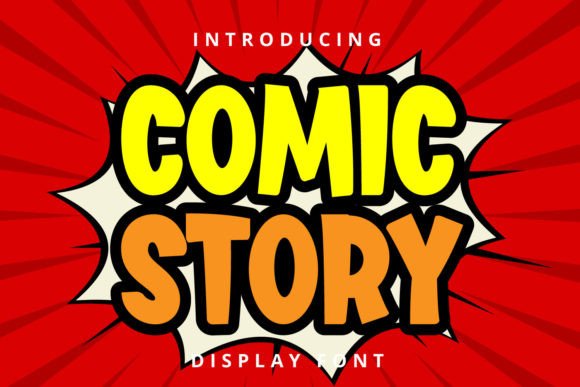
Comic Story is a friendly and expressive display font that brings a sense of playfulness and authenticity to any design. Inspired by the visual language of comics, it combines bold strokes, rounded edges, and a hand-drawn feel to evoke warmth and creativity. Whether you're designing materials for children’s activities or elementary school projects, Comic Story offers an engaging aesthetic that captures attention and sparks imagination.
What Makes Comic Story Unique?
This font isn’t just about style—it’s about emotion. The irregular letterforms and energetic lines mimic the look of handwritten text, making it feel personal and approachable. It avoids the rigidity of standard typefaces while maintaining clarity and readability, especially at larger sizes. Its versatility shines in contexts where fun and friendliness are key, such as educational posters, game cards, invitations, or social media graphics.
Unlike many comic-style fonts that lean too heavily into exaggerated effects, Comic Story strikes a balance between whimsy and professionalism. This makes it suitable not only for playful designs but also for branding and marketing where a more casual tone is desired without sacrificing quality.
Who Benefits from Using Comic Story?
- Beginners: Those new to typography or graphic design will find Comic Story easy to implement and visually appealing without needing advanced skills.
- Professionals: Designers looking to add a unique touch to their work can use Comic Story to differentiate their projects and connect with younger audiences.
- Educators: Teachers and curriculum designers often seek fonts that make learning enjoyable. Comic Story fits perfectly in classroom materials, storybooks, or interactive games for kids.
- Business Owners: Entrepreneurs targeting families, schools, or creative niches may appreciate its ability to communicate a cheerful and trustworthy brand identity.
- Bloggers & Marketers: For content creators who focus on lifestyle, education, or family-oriented topics, this font helps establish a relatable and engaging tone.
How Different Audiences Might Use Comic Story
Each user group has its own needs when it comes to choosing a font. Let’s explore how they might incorporate Comic Story into their work.
For Educators and School Administrators
Teachers creating bulletin boards, worksheets, or presentations for young students often prioritize legibility and visual appeal. Comic Story supports these goals by offering a clean yet lively appearance. When used for titles or headings, it draws interest without overwhelming the reader. For example, a science poster explaining the solar system could use Comic Story for the main title to create excitement among elementary learners.
Additionally, school administrators designing promotional materials like event flyers or newsletters for parents can use Comic Story to convey a warm, community-focused vibe. It adds a personal touch that aligns well with educational environments.
For Content Creators and Bloggers
Bloggers and YouTubers who produce content for kids or families need a font that reflects their audience’s energy. Comic Story allows them to craft headers, captions, and infographics that resonate emotionally with viewers. A parenting blog sharing DIY activity ideas, for instance, might use Comic Story for section titles to make the layout more inviting and child-friendly.
Its flexibility also works well in digital formats. Because it maintains clarity on screens, it's ideal for website banners, email signatures, or video overlays where a quick visual impact is important.
For Entrepreneurs and Small Business Owners
If you run a small business targeting children or creative hobbies, your branding should reflect those values. Comic Story can help shape your brand’s personality—think toy stores, art supply shops, or edutainment startups. Used in logos or product packaging, it communicates accessibility and joy, which can be powerful tools in attracting customers.
Practicality matters here too. While Comic Story is a display font best suited for short texts, it pairs well with more formal fonts for body copy. This ensures your message remains professional while still feeling personable and engaging.
For Hobbyists and DIY Enthusiasts
Hobbyists working on personal crafts, scrapbooking, or handmade greeting cards often seek fonts that bring character to their creations. Comic Story adds a vibrant flair that stands out in print or digital form. For example, a card maker could use it to write a birthday wish in bold letters across the front of a handmade card, giving it a unique and heartfelt look.
Its hand-drawn nature also complements other artistic elements, such as illustrations or watercolor backgrounds. If your goal is to make your project stand out, Comic Story is a great choice for accent text or decorative titles.
For Web Developers and Digital Marketers
In web design, Comic Story can serve as a complementary font for calls-to-action, buttons, or navigation menus in sites targeting families or children. It enhances user experience by adding a sense of fun and familiarity. However, developers must consider performance—using Comic Story in large blocks of text isn’t recommended due to its stylized nature.
Digital marketers might also use it in campaigns aimed at Gen Z or millennial parents, where a modern and relatable aesthetic is crucial. It can appear in animated ads or mobile app interfaces to maintain a cohesive and joyful brand presence.
Priorities That Shape How People Choose Fonts
When evaluating Comic Story, different users will weigh various factors based on their needs:
- Quality vs. Style: Professionals may value high-quality glyph rendering and licensing terms, while hobbyists might prioritize visual charm over technical specs.
- Cost vs. Value: Some users prefer free fonts for budget-friendly projects, but others see investment in premium options like Comic Story as a way to enhance the perceived value of their work.
- Flexibility vs. Simplicity: Experienced designers may want a font that can adapt to multiple styles and languages, whereas beginners might prefer something straightforward and consistent.
- Speed vs. Creativity: In fast-paced environments, like marketing teams under tight deadlines, a font that loads quickly and integrates easily into templates can be more valuable than one with complex features.
Comic Story performs well in balancing several of these priorities. It’s reliable for commercial use (always check the license), easy to read in display settings, and offers enough visual character to support creative expression.
Real-World Applications
Here are some practical examples of how Comic Story might be used across industries:
- Children’s Book Publishing: As a cover font or for chapter titles, Comic Story helps set a welcoming and imaginative tone.
- Event Planning: Wedding planners or party organizers might use it for signage or themed decorations to create a lighthearted atmosphere.
- App Development: EdTech apps for early learners benefit from Comic Story in UI elements, helping to keep the interface non-threatening and engaging.
- Graphic Design Agencies: Clients looking for fresh, youthful branding can request Comic Story for logos, icons, or promotional materials.
Is Comic Story Right for Your Project?
To determine if Comic Story suits your needs, ask yourself these questions:
- Am I aiming to reach a younger audience or create a playful theme?
- Will the font be used primarily in headlines or short phrases rather than long paragraphs?
- Do I need a font that feels authentic and uncluttered, avoiding overly stylized effects?
- Can I pair it with a more traditional font for better overall readability?
If you answered yes to most of these, Comic Story could be a perfect fit. It’s not a universal solution but excels in specific use cases where a friendly and dynamic typeface enhances the message.
Getting Started with Comic Story
Using Comic Story is simple. Once downloaded or accessed via a web font service like Google Fonts or Adobe Fonts, it can be applied in most design software, including Canva, Photoshop, Illustrator, or even basic Word processors. Always preview it at the intended size and background before finalizing your layout to ensure it looks its best.
Consider pairing it with sans-serif fonts for contrast, such as Open Sans or Lato, to maintain a balanced composition. Avoid using it in small body text or low-contrast situations where readability could suffer.
Final Thoughts
Comic Story is more than just a pretty font—it’s a tool for connection. Whether you’re crafting materials for children, building a brand around creativity, or simply wanting to inject personality into your next project, this font offers a unique blend of charm and functionality. By understanding your audience and project requirements, you can decide whether Comic Story aligns with your vision and goals.