Ramadhan: A Beautiful Arabic-Styled Display Typeface
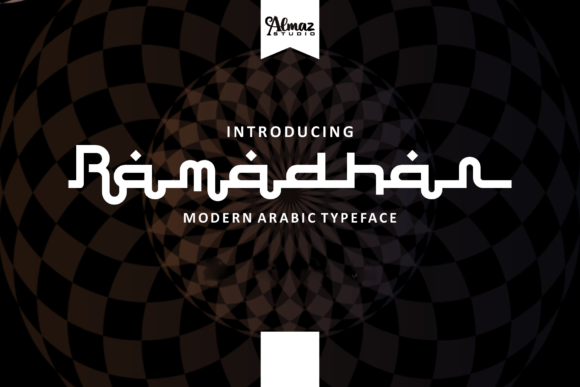
Typography plays a powerful role in how we communicate and express ideas visually. When it comes to Islamic-themed design projects, finding the right font can be challenging. Enter Ramadhan, an elegant Arabic-styled display typeface that brings traditional beauty into modern graphic design. Inspired by the Hijaiyah script and crafted using digital flat-pen and gothic typography techniques, Ramadhan offers a unique aesthetic that blends cultural authenticity with contemporary style.
The Roots of Ramadhan’s Design
Ramadhan draws its foundation from the classic Hijaiyah letters — a calligraphic form deeply rooted in Islamic tradition. These characters are often used in Quranic texts and religious materials, making them instantly recognizable and culturally significant. The designers behind Ramadhan have taken this heritage and reimagined it for today’s digital landscape, preserving the essence while adapting it for clarity and versatility across various media.
Using a digital flat-pen technique, each letter maintains a clean, bold structure that's easy to read yet rich in visual appeal. Combined with elements of gothic typography, the result is a font that feels both ancient and modern, perfect for those who want to infuse their designs with depth and meaning.
Why Choose Ramadhan?
Whether you're a designer, marketer, or small business owner, Ramadhan offers a compelling option when creating content related to the Middle East or Islamic culture. Its original style ensures your project stands out without losing the traditional charm that resonates with audiences familiar with these aesthetics.
- Cultural Authenticity: The Hijaiyah-inspired design connects your work with Islamic heritage, adding layers of meaning and respect.
- Modern Adaptability: The use of digital tools makes it suitable for high-resolution print and screen-based projects alike.
- Versatile Application: From book covers to t-shirt prints, Ramadhan works well across different formats and sizes.
Practical Uses for Ramadhan
Ramadhan isn’t just another decorative font; it’s a practical tool for creators who need to incorporate Arabic-style text into their work. Here are some real-world scenarios where it shines:
Branding and Advertising
If you’re building a brand with a strong connection to Islamic values or Middle Eastern culture, Ramadhan can help establish a cohesive and meaningful visual identity. It adds elegance and gravitas to logos, slogans, and promotional materials. For instance, a halal food company launching a Ramadan campaign might use Ramadhan on their packaging or social media banners to evoke tradition and trust.
Print and Digital Media
This typeface is ideal for posters, flyers, and banners promoting Islamic events such as iftar gatherings, Eid celebrations, or Quran study circles. Its bold strokes and refined details make it legible even at smaller sizes, which is especially important for mobile users or online ads.
Publication Design
For writers and publishers, Ramadhan provides an attractive solution for book covers, chapter titles, or headings in Islamic literature. Whether it's a children’s story about Ramadan traditions or a scholarly paper on Sufi poetry, this font enhances readability and adds a touch of sophistication.
Apparel and Merchandise
T-shirts, hoodies, and other merchandise often feature short, impactful phrases. Ramadhan allows you to create eye-catching designs that celebrate faith, community, and cultural pride. Its stylized look can turn a simple message like “Sawm & Iman” into something memorable and visually striking.
Web and App Design
In web design, Ramadhan can be used for headers, navigation menus, or accent text in websites focused on Islamic content, travel, or education. Because it’s optimized for digital use, it renders clearly on screens of all sizes, ensuring your message stays sharp and professional.
What Makes Ramadhan Unique?
Many fonts attempt to mimic Arabic calligraphy but fall short in terms of character consistency or visual harmony. Ramadhan, however, was developed with attention to detail, making it feel more authentic than generic alternatives. The balance between traditional forms and modern usability means it won't clash with other design elements but will instead elevate them.
Additionally, the font supports a wide range of ligatures and diacritics, allowing for accurate representation of Arabic words and phrases. This is essential for designers aiming to maintain linguistic and cultural accuracy in their work.
Who Can Benefit from Using Ramadhan?
Ramadhan is suited for a variety of professionals and hobbyists:
- Graphic Designers: Those working on Islamic-themed campaigns or cultural branding can leverage Ramadhan for its stylistic appeal and readability.
- Small Business Owners: If you run a shop selling prayer mats, hijabs, or educational materials, this font can enhance your product labels and packaging.
- Bloggers and Content Creators: Use Ramadhan in blog headers or YouTube thumbnails to attract viewers interested in Islamic culture or spirituality.
- Marketers: Create compelling Ramadan advertisements or Eid greetings with a font that speaks directly to the target audience.
- Educators and Publishers: Incorporate it into textbooks, presentations, or e-learning platforms to present information in a respectful and engaging way.
Beginner Tips for Working with Ramadhan
If you're new to using custom Arabic-styled fonts, here are a few tips to help you get started:
- Pair it wisely: While Ramadhan has a bold presence, it pairs best with simpler sans-serif or serif fonts in body text to avoid overwhelming the reader.
- Test in context: Always preview the font in the actual layout — whether it's on a poster or website — to ensure it complements the overall design.
- Use sparingly: Because it’s a display font, it should be reserved for headlines, logos, or short phrases rather than long paragraphs.
- Ensure accessibility: Consider contrast and background when using Ramadhan, so the text remains readable for all users.
Realistic Examples of Ramadhan in Action
Let’s explore a few realistic use cases to understand how Ramadhan could fit into your workflow:
Example 1: A local mosque is hosting a charity dinner during Ramadan. The event flyer uses Ramadhan for the title “Iftar Together,” with a complementary English font for the supporting text. The combination creates a warm, inviting look that reflects the spirit of the occasion.
Example 2: An entrepreneur sells Islamic-themed art prints online. They use Ramadhan for the artist signature and title, giving their products a handcrafted feel that appeals to customers looking for authenticity.
Example 3: A blogger writes about Ramadan traditions in different countries. They apply Ramadhan to the header of each post, helping readers immediately connect the theme with the topic.
Important Considerations Before Using Ramadhan
Before incorporating Ramadhan into your design projects, consider the following points to ensure it aligns with your goals and needs:
- License Terms: Confirm the font license allows for commercial use if needed. Some free fonts restrict usage in profit-driven projects.
- Design Purpose: Ask yourself whether the project calls for a traditional or modern aesthetic. Ramadhan is excellent for the former but may not suit minimalist or ultra-modern themes.
- Language Support: Although it mimics Arabic style, Ramadhan is not a full Arabic language font. Make sure your content doesn’t require complex language processing beyond what it offers.
- Technical Compatibility: Test the font across different devices and platforms to ensure consistent rendering and performance.
Where to Find and Download Ramadhan
To access Ramadhan, visit reputable font marketplaces or the official site of the designer. Always download from trusted sources to avoid issues with corrupted files or unauthorized versions. Once installed, you can start experimenting with its unique characteristics in your favorite design software like Adobe Photoshop, Illustrator, or Figma.
Conclusion
Ramadhan is more than just a font — it's a bridge between tradition and innovation. Whether you're designing for personal expression, business branding, or educational purposes, this Arabic-styled display typeface brings a refined, authentic touch to your work. With its roots in Hijaiyah script and a fresh take on gothic elements, it offers a distinctive style that honors Islamic culture while meeting the demands of modern design.
By choosing Ramadhan, you're not only enhancing the visual appeal of your projects but also showing respect and appreciation for the cultural significance it represents. So next time you’re working on an Islamic-themed design, remember — the right font can make all the difference.