Emotional Expression – A Handwritten Font That Adds Heart to Your Designs
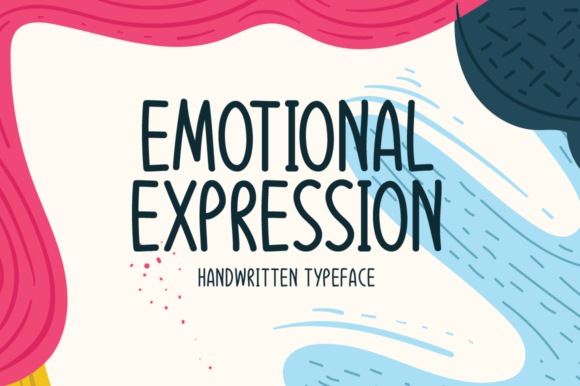
Fonts are more than just letters on a page—they’re the voice of your message. The right typeface can evoke warmth, professionalism, playfulness, or elegance. Emotional Expression is a cute and simple lettered handwritten font that brings personality and charm to any project. Its natural, flowing style makes it feel personal, yet versatile enough to fit into a wide range of creative contexts.
What Is Emotional Expression?
Emotional Expression is a handwritten-style font designed to reflect the warmth and authenticity of human handwriting. It features soft curves, gentle strokes, and an overall approachable look that feels like a personal note written by hand. This kind of font is particularly effective in design projects where you want to convey sincerity, creativity, or a personal touch.
Unlike rigid sans-serif or serif fonts, Emotional Expression gives off a sense of spontaneity and emotion. It’s not about being perfect—it’s about feeling real. That’s what makes it stand out in today’s digital world, where everything seems too polished and distant.
Real-World Uses for Emotional Expression
If you're looking for a font that adds character without overwhelming your design, Emotional Expression could be a great choice. Here are some practical scenarios where this font shines:
- Crafting Personal Invitations: Whether it's a birthday party, baby shower, or wedding invitation, using Emotional Expression can give your event a warm and heartfelt tone. People love receiving notes that feel like they were written with care, and this font helps simulate that experience digitally.
- Designing Children’s Products: From storybooks to educational materials, the playful and friendly nature of Emotional Expression works well when targeting younger audiences. It creates a sense of fun and approachability that resonates with kids and parents alike.
- Creating Social Media Content: Brands often use handwritten fonts to make their posts feel more personable. Emotional Expression fits perfectly in quotes, captions, or announcements that aim to connect emotionally with followers.
- Marketing for Niche Businesses: Think boutiques, cafes, or handmade goods. These industries thrive on creating a connection with customers through visual storytelling. Emotional Expression can help add a unique flair to signage, packaging, or promotional materials.
- Writing Thank You Cards or Notes: For businesses or individuals who send handwritten thank you cards as part of customer service or appreciation, this font offers a consistent and charming alternative to actual handwriting.
Who Can Benefit from Using Emotional Expression?
While anyone can appreciate the aesthetic of Emotional Expression, certain groups find it especially useful:
- Graphic Designers: If you work with branding, social media, or print designs, this font can quickly elevate the emotional appeal of your work. It pairs well with both bold and minimalist layouts.
- Small Business Owners: Small brands often rely on a strong visual identity to stand out. Emotional Expression can be used to create logos, labels, or website headers that feel authentic and inviting.
- Content Creators: Bloggers, YouTubers, and influencers can use this font to add a personal touch to blog titles, video intros, or quote graphics. It helps build a more intimate connection with the audience.
- Educators and Parents: Teachers might use it in classroom posters or motivational messages, while parents could incorporate it into children's activity sheets or home decor to make learning and living spaces feel cozier.
Choosing the Right Projects for Emotional Expression
Not every design needs a handwritten font. Before applying Emotional Expression, consider the purpose of your project and whether a more casual, emotive typeface aligns with your goals. Here are some key questions to ask yourself:
- Do I want my message to feel warm and personal?
- Is the audience likely to respond positively to a handwritten style?
- Will the font remain legible across different platforms and sizes?
- Does it complement the other design elements, such as colors and images?
Handwritten fonts can sometimes be difficult to read, especially at smaller sizes or in long paragraphs. Emotional Expression, however, strikes a good balance between readability and style. Still, it's best suited for short text, headlines, or decorative accents rather than body copy.
How to Use Emotional Expression Effectively
To get the most out of Emotional Expression, try pairing it with clean, modern fonts for contrast. For example, use it as a headline with a sleek sans-serif font like Montserrat or Open Sans underneath. This combination keeps your message visually engaging while ensuring clarity.
You can also experiment with color. Since the font has a soft and friendly vibe, pastel shades or muted tones tend to work well. However, don’t hesitate to go bold—sometimes a bright red or deep blue can make your message pop even more.
Here are a few quick examples of how to apply Emotional Expression:
- Wedding save-the-date card with a light pink background and gold foil accents.
- Instagram post caption using the font to highlight a quote or personal message.
- Product label for homemade jams or baked goods, giving them a handcrafted feel.
- Workshop announcement where the font adds a welcoming and creative edge.
Limitations to Keep in Mind
Like all fonts, Emotional Expression has its limits. While it’s excellent for adding a personal touch, it may not be ideal for professional reports, technical documents, or anything requiring high readability in large volumes. Always ensure that the context supports the use of a handwritten font.
Also, since it mimics handwriting, there’s a risk of overusing it. Too much of a good thing can make your design look cluttered or unprofessional. Use it strategically to highlight key messages or create focal points.
Where to Find Emotional Expression
If you're interested in trying out Emotional Expression, you can usually find it available for download on popular font marketplaces like Adobe Fonts, Google Fonts, or independent sites such as Creative Market and Font Squirrel. Always check the licensing terms before downloading, especially if you plan to use it commercially.
Once installed, you can start using it in your favorite design tools like Photoshop, Illustrator, Canva, or Figma. Many web developers also use it for websites by linking to the font via CSS, making it accessible to users across devices and platforms.
Observations from Real Users
Many designers have shared how Emotional Expression helped bring their ideas to life. One user mentioned how it transformed her logo concept from “just okay” to something truly memorable. Another small business owner used it for product tags and received compliments from customers about how it felt like a gift from a friend.
These stories highlight the font’s ability to connect with people on an emotional level. It’s not just about aesthetics—it’s about building trust and relatability through typography.
Final Thoughts
Emotional Expression is a valuable addition to any designer’s toolkit. Its simplicity and charm make it easy to integrate into various projects, helping them feel more genuine and heartfelt. As long as you use it wisely and in the right context, this font can become a powerful tool for communication and creativity.
So next time you’re working on a design that needs a little more soul, remember Emotional Expression. It might just be the subtle detail that makes all the difference.