Bunggo: A Display Font That Elevates Your Creative Strategy
Fonts are more than just visual elements—they’re strategic tools that shape perception, influence decision-making, and enhance communication. In the world of design, typography plays a pivotal role in branding, marketing, and content creation. Bunggo is a display font that stands out not only for its aesthetic appeal but also for its potential to support your goals when used intentionally. Masterfully crafted with modern sensibilities and versatility in mind, Bunggo can help you bring your creative ideas to life while aligning with professional and practical outcomes.
What Is Bunggo?
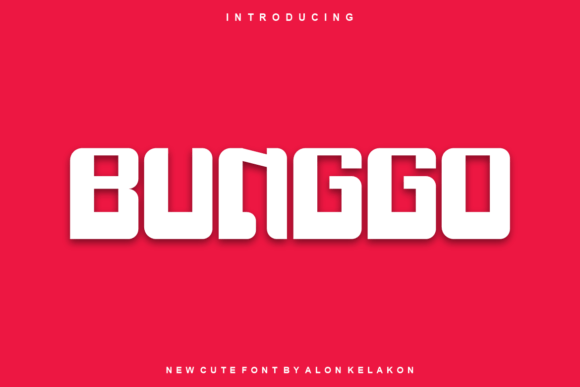
Bunggo is a contemporary display font characterized by bold, expressive strokes and a clean yet dynamic structure. Unlike standard sans-serif or serif fonts, Bunggo is designed for impact—making it ideal for headlines, logos, posters, and other prominent text elements. Its unique personality allows it to convey confidence, creativity, and clarity without overwhelming the reader. This balance makes Bunggo an excellent choice for professionals who want their designs to communicate both style and substance.
Why Bunggo Matters in Design Strategy
In any creative project, the goal is to capture attention and deliver a message effectively. Bunggo helps achieve this by offering a strong typographic presence that supports visual hierarchy and brand identity. When you choose Bunggo, you're not just selecting a font—you're making a strategic decision about how your audience will perceive your work. The right font can subtly reinforce trust, excitement, or innovation, depending on your context. Bunggo leans into these emotional cues, helping you craft visuals that resonate and convert.
Strategic Use of Bunggo Across Industries
Bunggo’s adaptability makes it suitable for a wide range of applications. Let’s explore some key areas where it can add value:
- Branding and Identity: A logo is often the first point of contact between your brand and the public. Bunggo’s distinctive style can help create a memorable logo that reflects your brand’s energy and ethos.
- Marketing Materials: Whether it's a promotional poster or a social media graphic, Bunggo brings a sense of urgency and professionalism that can elevate your message above the competition.
- Content Creation: Bloggers, YouTubers, and podcasters use Bunggo to highlight key points in videos, infographics, or title cards, improving readability and viewer engagement.
- Product Packaging: For small business owners, especially in fashion, food, or lifestyle industries, Bunggo can make product labels and packaging more eye-catching and cohesive with brand aesthetics.
- Event Promotion: From invitations to banners, Bunggo adds a modern flair that can attract attendees and set the tone for a memorable experience.
Aligning Bunggo With Your Brand’s Voice
Before integrating Bunggo into your projects, consider your brand’s voice and values. Does your brand lean toward minimalism, boldness, or playfulness? Bunggo works best when it complements rather than contradicts your core message. If you’re building a brand around innovation and youth culture, Bunggo can serve as a powerful visual anchor. However, if your brand is rooted in tradition or luxury, you may need to pair it with more refined typefaces to maintain consistency.
Practical Planning Tips for Using Bunggo
To get the most out of Bunggo, apply it thoughtfully. Here are some actionable tips:
- Define Purpose First: Before applying Bunggo to a project, ask what you want to communicate. Is it a call to action, a headline, or a decorative element? Clarifying purpose ensures better alignment with your strategy.
- Balance It Out: Because Bunggo is a display font, avoid using it for large blocks of text. Instead, use it to emphasize key phrases or titles and pair it with a complementary body font for readability.
- Test Across Platforms: Ensure Bunggo looks consistent and legible across different devices and screen sizes. Test it on websites, mobile apps, and printed materials before finalizing its use.
- Consider Cultural Context: Fonts carry cultural associations. Bunggo’s modern edge might not suit every market or demographic, so evaluate its fit based on your audience’s expectations and preferences.
Real-World Examples of Bunggo in Action
Here’s how Bunggo has been used effectively in various scenarios:
- A startup tech company uses Bunggo in its app onboarding process to create a sense of forward motion and excitement.
- An educator creates visually engaging presentation slides for a workshop, using Bunggo to highlight key takeaways and learning objectives.
- A boutique coffee shop redesigns its menu board with Bunggo for headings, giving it a fresh, inviting look that draws customers in.
- A freelance designer incorporates Bunggo into client portfolios to showcase creativity and attention to detail.
These examples demonstrate that Bunggo isn’t just a font—it’s a tool for enhancing user experience and reinforcing messaging through thoughtful design choices.
When Not to Use Bunggo
While Bunggo offers significant advantages, it’s not a one-size-fits-all solution. Avoid using it in situations where clarity must override style:
- Legal Documents or Contracts: These require precise, easy-to-read fonts. Bunggo’s stylized form could introduce confusion or reduce professionalism.
- Small Text Sizes: At smaller sizes, Bunggo may become less legible, especially in long paragraphs or dense layouts.
- High-Stakes Communication: In healthcare, finance, or government contexts, overly stylized fonts can be seen as untrustworthy or difficult to read.
Understanding when to hold back is part of mastering Bunggo’s use. Strategic application means knowing where to let the font shine and where to keep things simple.
Risks of Random Typography Choices
Using a font like Bunggo without clear intent can lead to misaligned messaging or a cluttered design. Overuse or incorrect pairing may dilute your brand identity or confuse your audience. For example, if a financial advisor uses Bunggo prominently in client communications, it might unintentionally suggest informality or instability—key traits to avoid in such a field.
Instead, treat typography as a deliberate component of your overall design strategy. Ask yourself how each font contributes to the message and whether it enhances or distracts from your goals.
Long-Term Value of Intentional Typography
Design decisions have lasting impacts. Choosing Bunggo now could influence future brand perceptions and customer interactions. When used consistently and strategically, Bunggo can become synonymous with your brand’s creative approach. This builds recognition and reinforces your position as a forward-thinking entity in your industry.
For freelancers and small business owners, investing time in understanding typography—including fonts like Bunggo—can improve client satisfaction and open new opportunities. High-quality, intentional design is often associated with professionalism and expertise, which can directly affect your bottom line.
How to Evaluate Bunggo for Your Needs
Evaluating Bunggo involves both technical and strategic considerations. Start by downloading or previewing it in your usual design software. Then, test it in real-world mockups to see how it performs under different conditions. Consider factors like:
- Legibility at various sizes
- Compatibility with color schemes and imagery
- Its ability to stand out without being distracting
- The emotional tone it conveys
Once you’ve assessed these aspects, determine whether Bunggo aligns with your current and future design needs. Remember, the goal is to enhance your message—not overshadow it.
Conclusion: Use Bunggo to Make Smarter Design Decisions
Bunggo is more than a cool-looking font; it’s a strategic asset when applied with intention. By considering your goals, audience, and context, you can harness its power to create impactful visuals that drive results. Whether you're launching a new product, updating your brand’s website, or designing educational materials, Bunggo offers a modern and versatile option for elevating your work.
Use it wisely, test it thoroughly, and integrate it into your design planning with purpose. In doing so, you’ll not only improve your creative output but also strengthen your communication and positioning in a competitive landscape.